


Our Goal
A Welcoming Experience from Day One
From the moment you walk through our doors, you’ll feel our team’s genuine concern for your health, comfort, and overall well-being.
During your first visit, we’ll review your health history, discuss your current concerns, and perform a thorough exam in a private treatment room to identify the cause of your pain or discomfort. Once we understand the source, we’ll create a personalized, results-driven treatment plan.
Pain alone is inconvenient enough, so we’ve made our care as convenient and easy as possible. Our flexible office hours and short wait times work around your busy schedule.
Our Insurance & Payment Options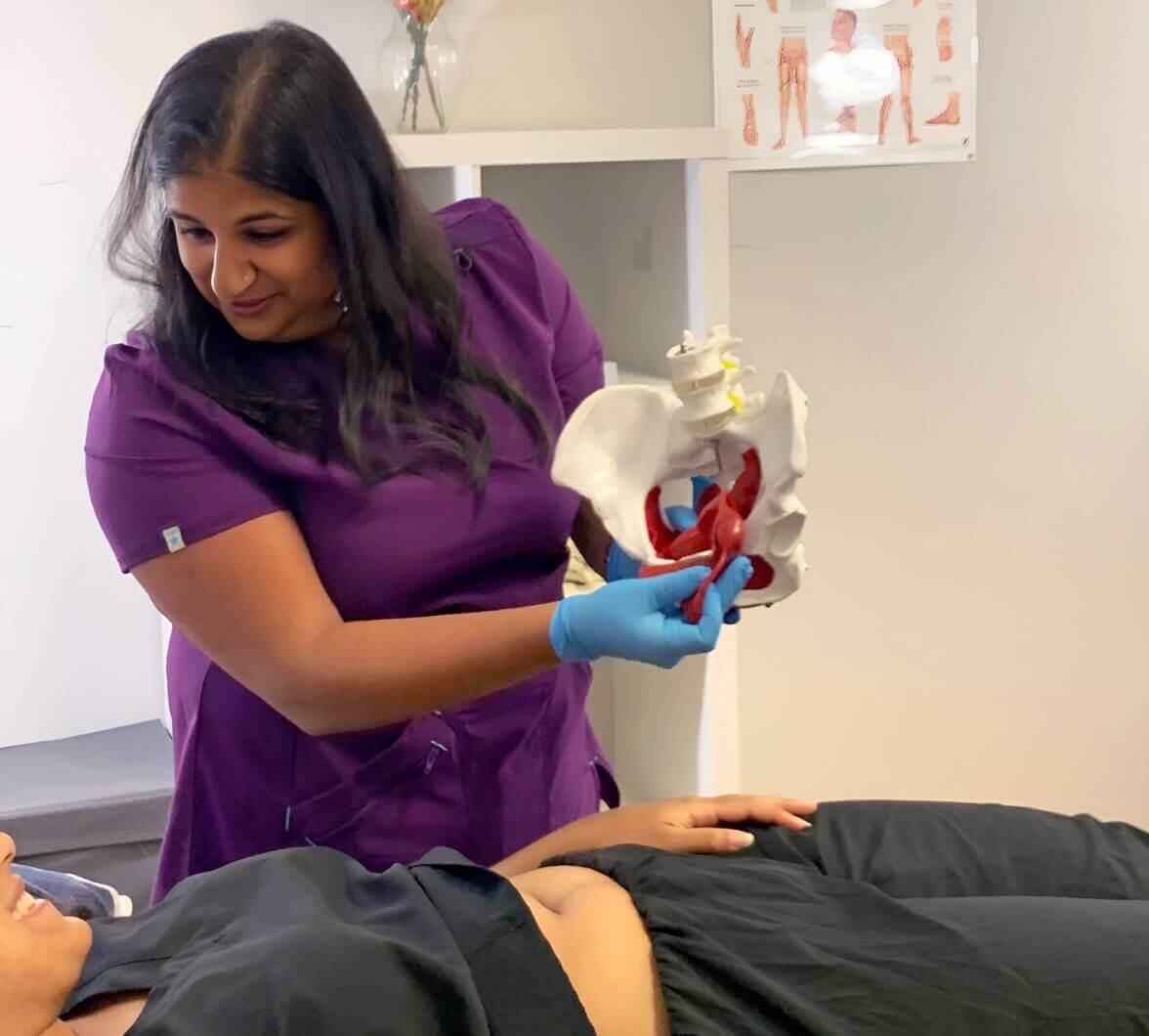
Who We Are
Meet The IPT Team
Founder/CEO

Suresh Babu
Founder/President
PT, DPT, MS
Live In-person Physical Therapy

Preyas Mehta
Clinical Director
PT, MS

Abigail Bautista
PT, DPT

Dr. Amita Mali
Clinic Director Old Bridge, NJ
PT DPT, OCS, FAAOMPT

Khushboo Patel
PT MS
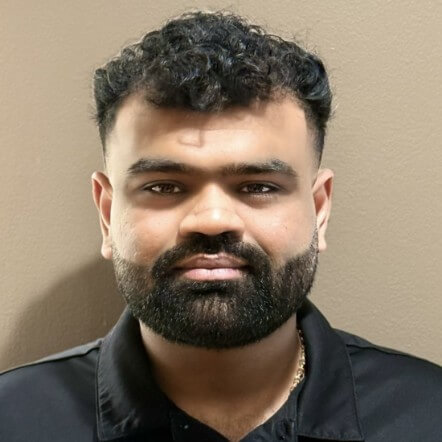
Dr. Priyank Patel
PT DPT
Kendall Park, NJ

Dr. Aum Tejani
PT, DPT, OCS
Kendall Park, NJ

Dr. Akshata Sanghavi
DPT, MsPT, RAC

Dr. Tsai-Ying Wu
PT, DPT
Digital Physical Therapy

Aditi Chandan
PT, DPT, CLT, WCS

Sheryl Goodridge
PT, DPT, c/NDT

Doug White
PT, MS

Deepika Kothandaraman
PT, DPT (tDPT)

Crystal Wang
PT DPT
Administrative Staff

Kathyria Rodriguez
Operations Director

Priyanka Chanbrasegaran
Sales Engineer for JOGO Health

Eden Joy Sumido
Digital Physical Therapy Clinic scheduler
Direct Access
The Truth About Seeing a Physical Therapist First
What exactly is direct access? No smoke and mirrors here - it's just what it sounds like!
Direct access is the ability to directly access your physical therapist without a physician referral or prescription.
Direct access is regulated at the state level. New Jersey law allows patients in New Jersey to receive physical therapy treatment from a licensed physical therapist at an outpatient rehabilitation provider (“Provider”) without a referral from a licensed health care professional (“Direct Access Law”) . Since 2003, New Jersey consumers have had the ability to access the services of a physical therapist directly without a referral from a physician, but very few understand the benefits of this strategy and when they should consider it.
If you’re interest in learning more about Direct Access Laws, we recommend visiting the American Physical Therapy Association’s site.
Common problems that would benefit from an evaluation and treatment by a physical therapist would be waking up with a stiff neck, low back pain, ankle sprains, shoulder pain with limited mobility, muscle strains, knee pain and many other conditions that are limiting your ability to function at home, work or in your recreational sport.
A recent publication by the Centers for Disease Control (CDC) also emphasized the benefits of physical therapy for the treatment of chronic pain instead of opioid medications which can be highly addictive. They also concluded that there is evidence that exercise supervised by a physical therapist can reduce the pain associated with knee and hip osteoarthritis and be able the sustain the reduced pain state for 2-6 months. These findings are supported by strong clinical evidence and patients can access the skills of a physical therapist directly here in New Jersey, thus saving valuable healthcare dollars.
While physical therapists do not make a medical diagnosis, the diagnosis of your functional impairment is within our scope of practice and can be vitally important in determining the cause of you pain that may be affecting your ability to participate in functional and recreational tasks. The diagnosis is a label for a collection of signs and symptoms gathered through the evaluation and examination of your particular problem. It is an essential part in determining the course of treatment and the predicted time frame it will take to complete the goals established.
Let us give you four good reasons.
Early access saves money! Over 50% in back pain costs alone. It also often prevents the need for further healthcare. Over 13 million Americans see their doctor each year for relief from chronic low back pain. The right physical therapy within 14 days of the onset of pain minimizes the average total cost of care by 50%. That’s a lot of money each year!
Low back pain patients who receive physical therapy immediately after the pain begins and adhere to their treatment plan spend $3,000 a year in associated healthcare costs. Those who delay receiving physical therapy and do not adhere to their treatment plan spend $6,000 per year for all kinds of healthcare.
At your first appointment with a physical therapist, you’ll receive a personalized treatment plan based on your evaluation and will begin implementing the plan that day. The primary care physician to orthopaedic specialist to physical therapist pathway is likely to put you well over the 40-day mark before you’re even in the door to see a PT.
Physical therapy is a CDC-recommended alternate treatment plan to dangerous opioids and in some cases, just as effective (if not more!) than surgery. It’s also a much cheaper alternative to costly diagnostic imaging.
Turn on the news and it’s likely you’ll see a story about a death that can be attributed to opioids or heroin. Opioid prescriptions for pain management have quadrupled since 1999, causing a national health crisis. In response, the Centers for Disease Control and Prevention (CDC) released guidelines in March 2016 urging prescribers to reduce the use of opioids in favor of safer alternatives in the treatment of chronic pain. Physical therapy is one of the recommended nonopioid alternatives.
Here’s why:
Physical therapists treat pain. Opioids mask it.
“Side effects” of physical therapy include improved mobility, increased independence, decreased pain, and prevention of other health problems through movement and exercise. Opioid side effects include depression, overdose, addiction, and withdrawal symptoms.
Physical therapy is effective for numerous conditions, and the CDC cited “high quality evidence” supporting exercise as part of physical therapist treatment for familiar conditions like low back pain, hip and knee osteoarthritis, and fibromyalgia. Opioid effectiveness for long-term pain management is inconclusive in many cases.
Additionally, physical therapy has been found to be as effective as surgery for conditions including meniscal tears and knee osteoarthritis, and lumbar spinal stenosis. Plus, you don’t have to worry about side effects, risk of infection, etc. that are associated with surgery.
Lastly, a 2015 Health Services Research study found that the average cost of care was shown to be $4,793 more if a patient had an MRI first vs. seeing a physical therapist first. The study also shows the increased use of other services like additional diagnostic imaging and medication when the MRI is done prior to physical therapy.
Your physical therapist and your orthopaedic surgeon are equal when it comes to diagnostic accuracy.
Clinical diagnostic accuracy by physical therapists and orthopaedic surgeons on patients with musculoskeletal injuries is not statistically different. Both providers had significantly greater accuracy than that of nonorthopaedic providers. (As in, double the accuracy!)
Most insurances will reimburse for physical therapy services without a physician referral, although occasionally some do still require one. It depends on your insurance provider and coverage. Our billing team is more than happy to verify your benefits for you, feel free to give them a call at any time!
If you are a senior citizen and covered by Medicare Part B you can come directly to physical therapy without a referral from your physician. However, you must be under the care of a physician and they must agree and sign the plan of care established by the physical therapist. For example, you may develop acute neck pain and would like to see us for immediate treatment. We can perform an evaluation and initiate treatment, but your physician of record must sign and agree to the plan established which is faxed to their office. Some physicians may want to see you before agreeing to this plan but most will sign and certify the plan directly.
Yes, there are a few instances that still require a referral from a physician in order for your insurance company to pay for services. This may include if your injury is due to a Motor Vehicle Accident or your particular insurance plan requires a referral to see any specialist. In both cases a referral and not a prescription is required. We will always tell you in advance if any of these conditions exist that may affect payment for physical therapy services.
13:39A-2.5 REFERRAL OF PATIENTS AND CONSULTATION STANDARDS FOR LICENSED PHYSICAL THERAPISTS a) A licensed physical therapist shall refer a patient to a health care professional licensed to practice dentistry, podiatry or medicine and surgery in this State, or other appropriate licensed health care professional: 1) When the licensed physical therapist during the examination, evaluation or intervention has reason to believe that physical therapy is contraindicated or symptoms or conditions are present that require services outside the scope of practice of the licensed physical therapist; or 2) When the patient has failed to demonstrate reasonable progress within 30 days of the date of the initial treatment. b) Not more than 30 days from the date of initial treatment of functional limitation or pain, a licensed physical therapist shall inform the patient’s licensed health care professional of record regarding the patient’s plan of care. In the event there is no identified licensed health care professional of record, the licensed physical therapist shall recommend that the patient consult with a licensed health care professional of the patient’s choice. In a school setting, the schedule of physical therapy services shall be reported to the child study team by the licensed physical therapist within 30 days of the date of initial treatment.